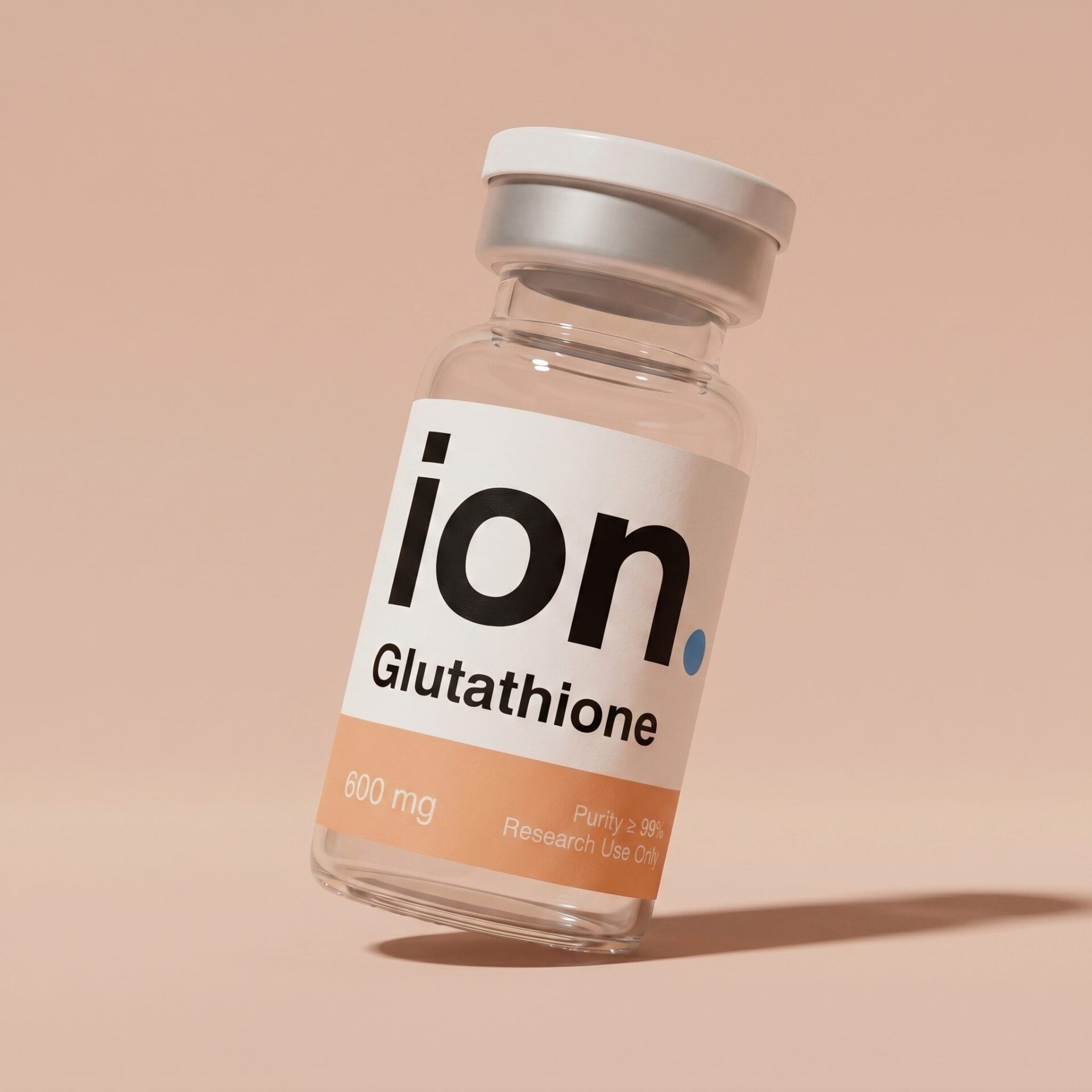
Glutathione 1500MG $99
Peptides · CAS 70-18-8 ≥99% Purity · HPLC verified

Glutathione 1500MG

Research-grade Glutathione (reduced, GSH). ≥99% purity, third-party verified via HPLC. For research and laboratory use only.

Save more · Bundle
1 vial · Single
Standard pricing
$99.00
$99.00 each
Save 10%
2 vials · Stock up
You save $19.80
$178.20
$198.00
★ Most popular
3 vials · Best value
You save $44.55
$252.45
$297.00
1
≥99% PurityHPLC verified Lab testedHPLC + MS Same-day shipOrder by 2pm PT
99.2% Purity
Certificate of Analysis
Third-party verified by HPLC & mass spectrometry
View COA
Curated picks

Frequently researched together

View all →
Identity

Compound information

What is Glutathione?

Glutathione (GSH) is an endogenous tripeptide composed of glutamate, cysteine, and glycine, joined by a γ-carboxyl peptide bond. It is the primary intracellular thiol antioxidant in eukaryotic cells. Studied in laboratory settings for its role in cellular redox homeostasis, conjugation reactions in detoxification pathways, and protein S-glutathionylation signaling.

CAS Number 70-18-8
Molecular Formula C10H17N3O6S
Molecular Weight 307.32 g/mol
Amino Acid Sequence γ-Glu-Cys-Gly
Half-Life ~10 minutes (intravenous, plasma)
Source Fermentation-derived
Purity 99.2% (HPLC verified)
Form Lyophilized powder
Solubility Soluble in water; pH-dependent stability
Storage

Stability information

Long-term
−20°C
Lyophilized powder, sealed
Reconstituted
2–8°C
Up to 30 days when refrigerated
Shipping
Room temp
Stable in transit, lyophilized
Protection
Light · Moisture
Store sealed, away from light
Background

About this compound

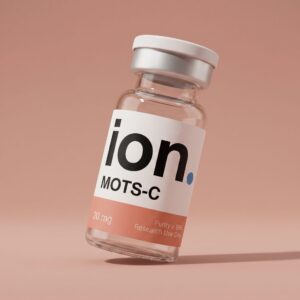
Glutathione (GSH) is an endogenous tripeptide antioxidant composed of glutamate, cysteine, and glycine. Studied in laboratory settings for its role in cellular redox homeostasis and detoxification pathways. Each vial contains 1500mg lyophilized powder at ≥99% purity.

Specifications:

  • Purity: ≥99% (HPLC verified)
  • Sequence: γ-Glu-Cys-Gly
  • Molecular Formula: C10H17N3O6S
  • Form: Lyophilized powder
  • Storage: -20°C (long-term), 2-8°C (reconstituted)
  • Certificate of Analysis available

For research and laboratory use only. Not for human consumption.
Bibliography

Sources & references

01
Molecular Aspects of Medicine · 2009
Glutathione: overview of its protective roles, measurement, and biosynthesis
Forman HJ, Zhang H, Rinna A
Foundational review of glutathione redox biochemistry.
View source →
02
Journal of Nutrition · 2004
Glutathione metabolism and its implications for health
Wu G, Fang YZ, Yang S, et al.
Review of glutathione synthesis, recycling, and tissue distribution.
View source →
03
Biochimica et Biophysica Acta · 2013
Glutathione synthesis
Lu SC
Comprehensive biochemistry of glutathione synthesis pathways.
View source →
04
Antioxidants & Redox Signaling · 2009
Mitochondrial glutathione transport: physiological, pathological and toxicological implications
Mari M, Morales A, Colell A, et al.
Mitochondrial GSH compartmentalization in research models.
View source →
More

Related products

View all →